
Escola Popular
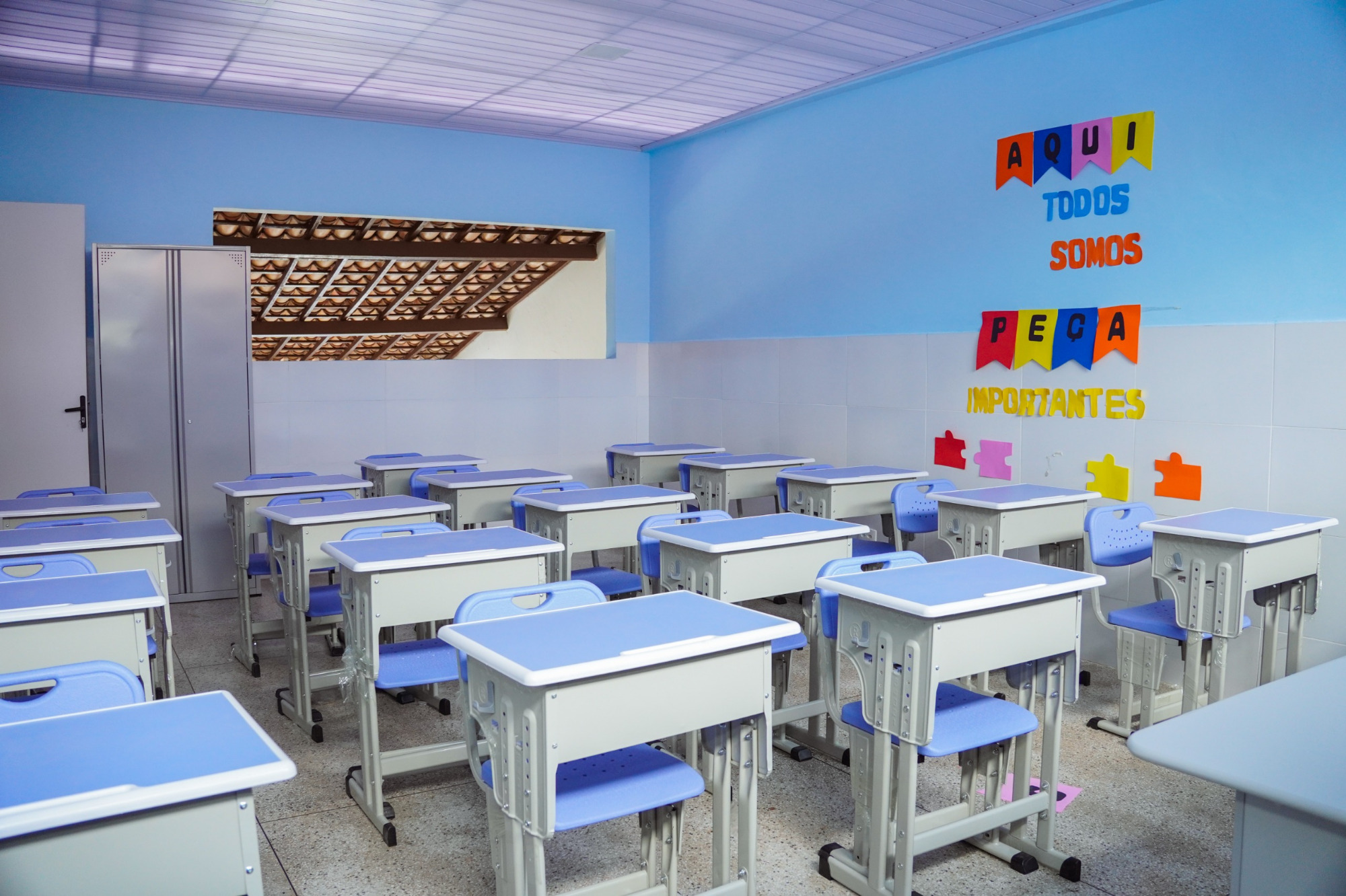
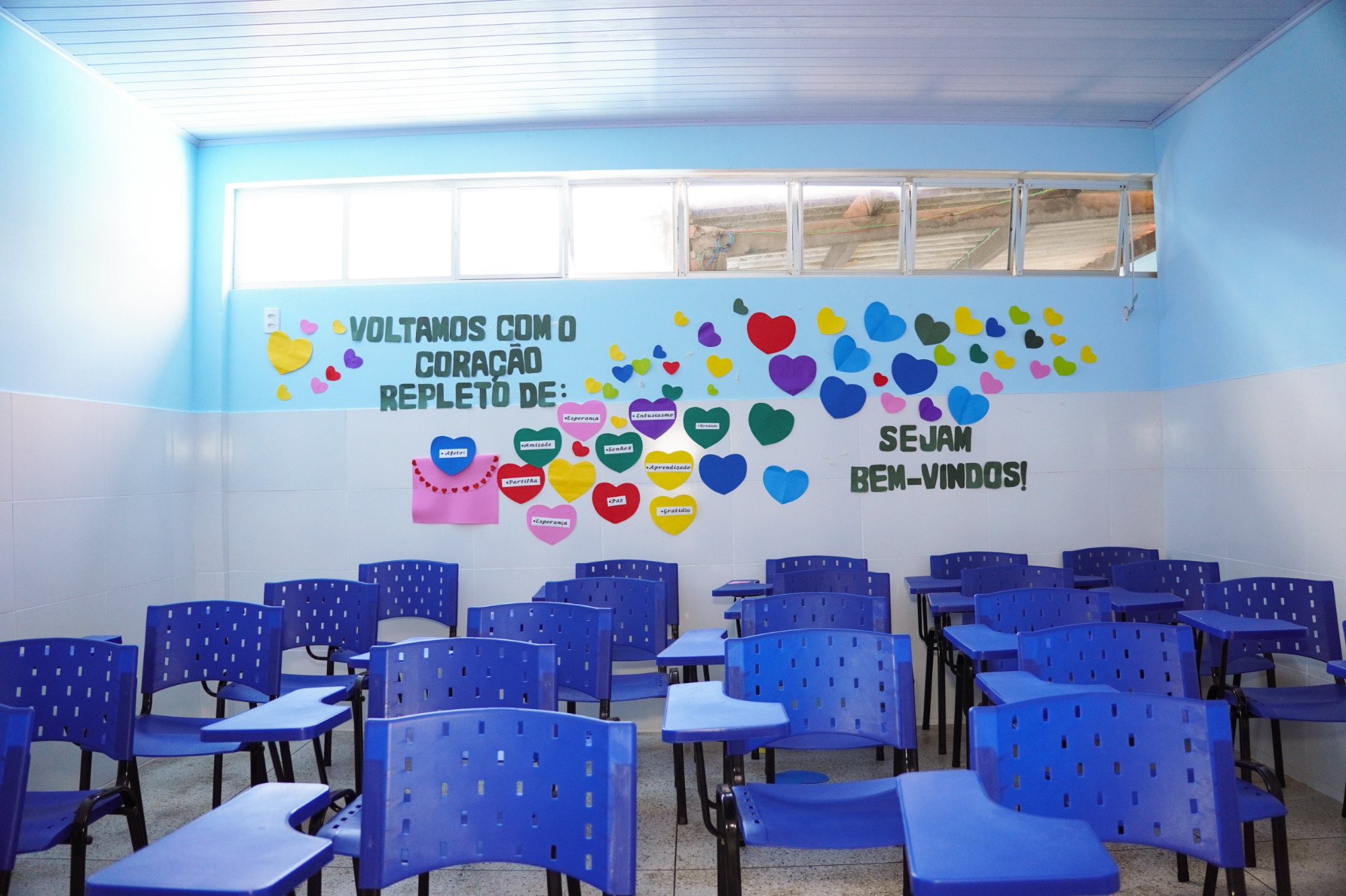
Die Escola Popular wurde Ende der 70er Jahre errichtet. 15 Jahre lang konnte sie aufgrund baulicher Mängel nicht als Schule genutzt werden. Jetzt konnte sie - finanziert durch die Stiftung HUBER HELPS, dem Verein Campo Limpo und der Brasilien-Cooperative - renoviert und wieder in Betrieb genommen werden. 120 Schülerinnen und Schüler erhalten hierdurch den Zugang zur Bildung. Ein Meilenstein für die gesamte Comunidade!
The Escola Popular was built in the late 1970s. For the past 15 years, however, it could no longer be used as a school due to structural defects. Thanks to significant financial support from the HUBER HELPS Foundation, the Campo Limpo association, and the Brasilien-Cooperative, it has now been fully renovated. This will provide 120 students with access to education—a milestone for the entire community!

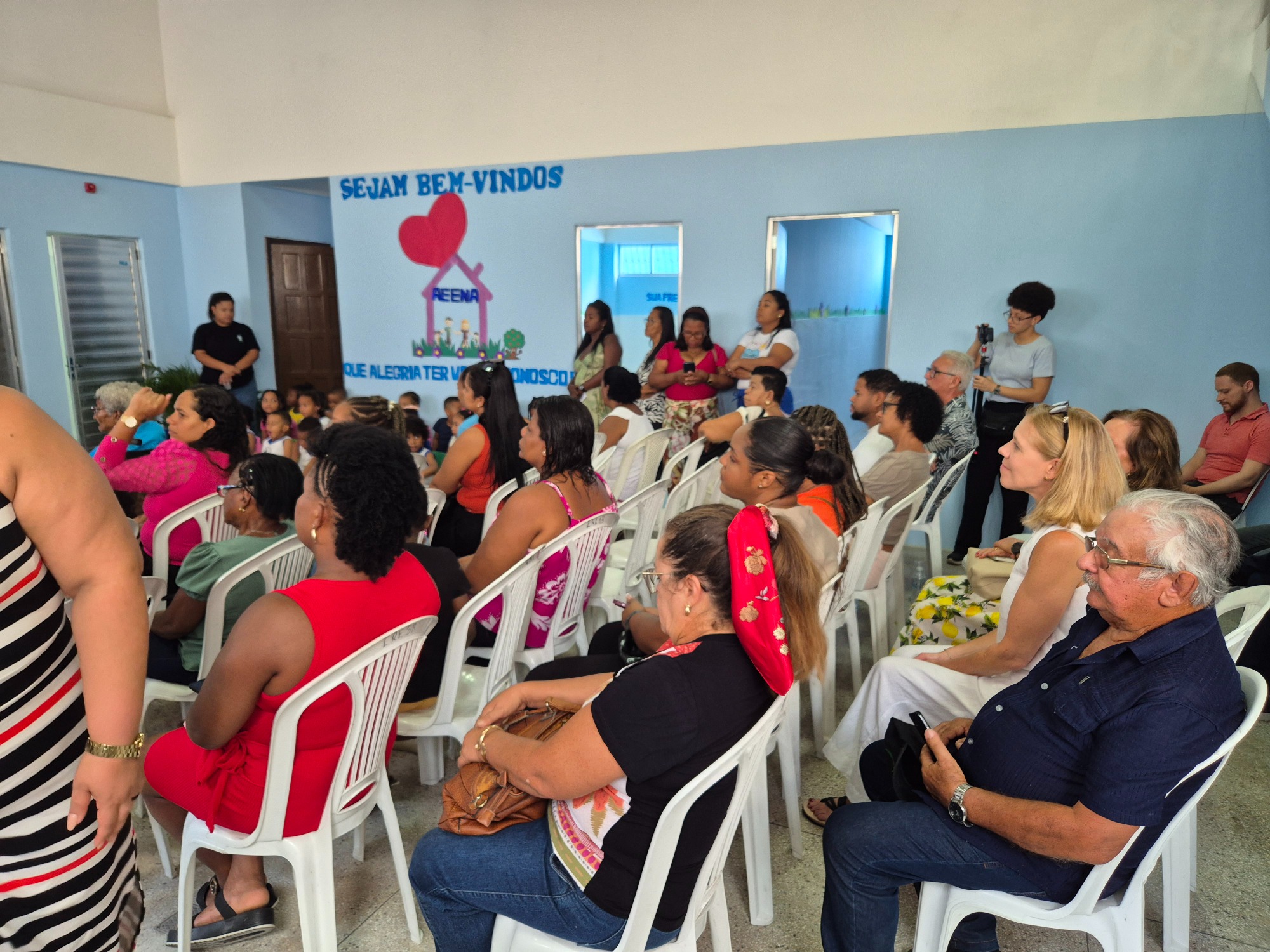
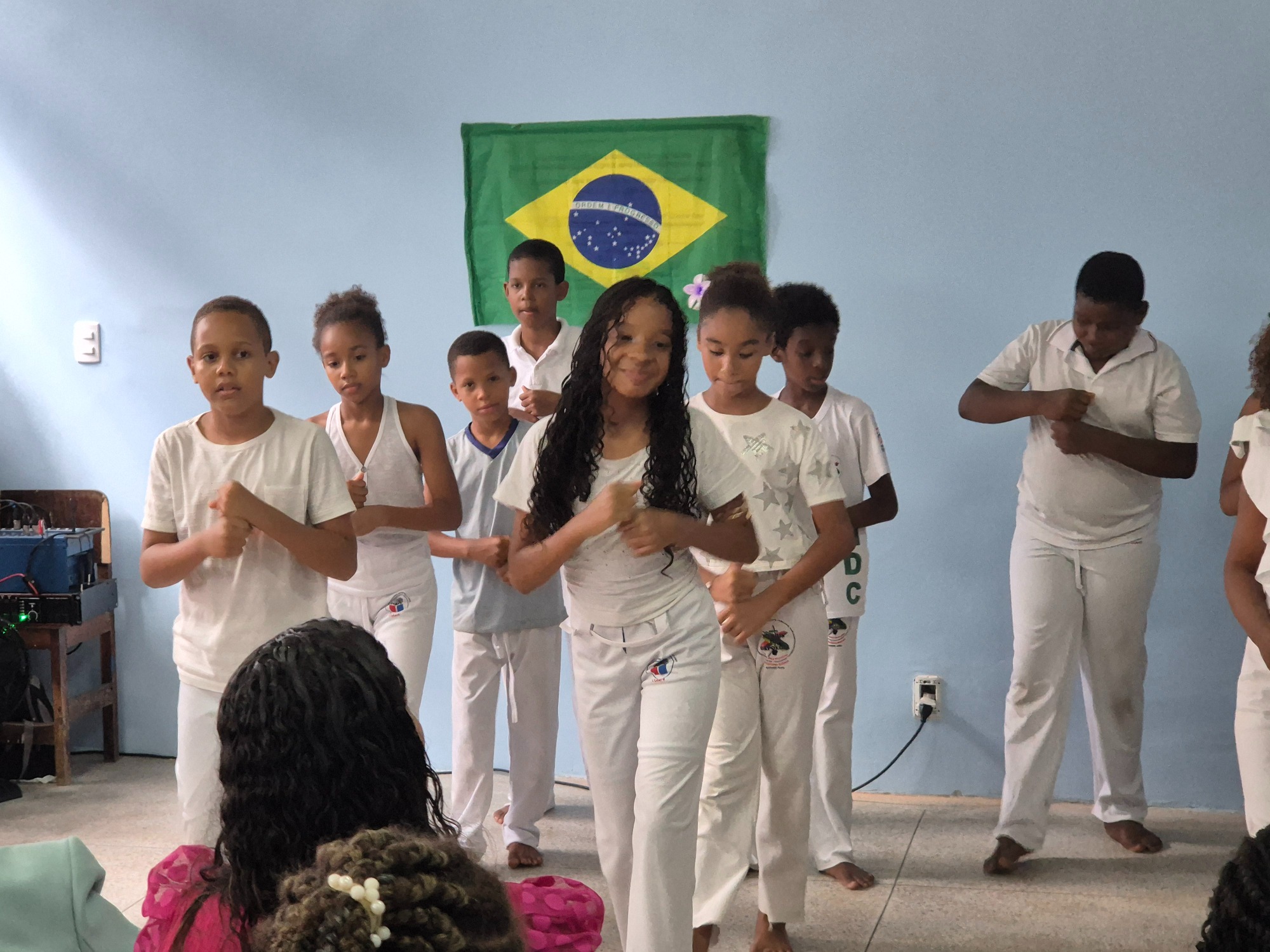
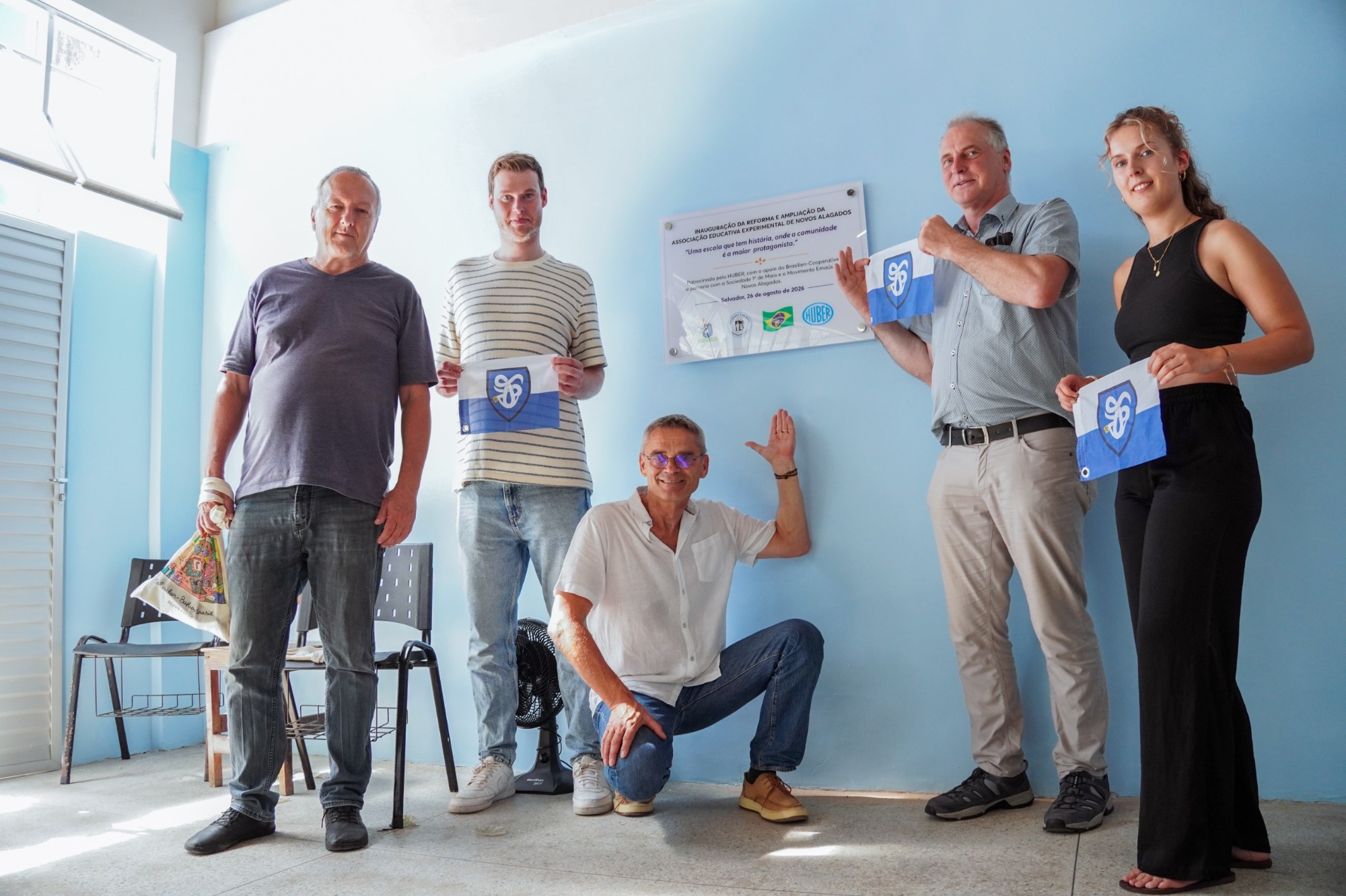
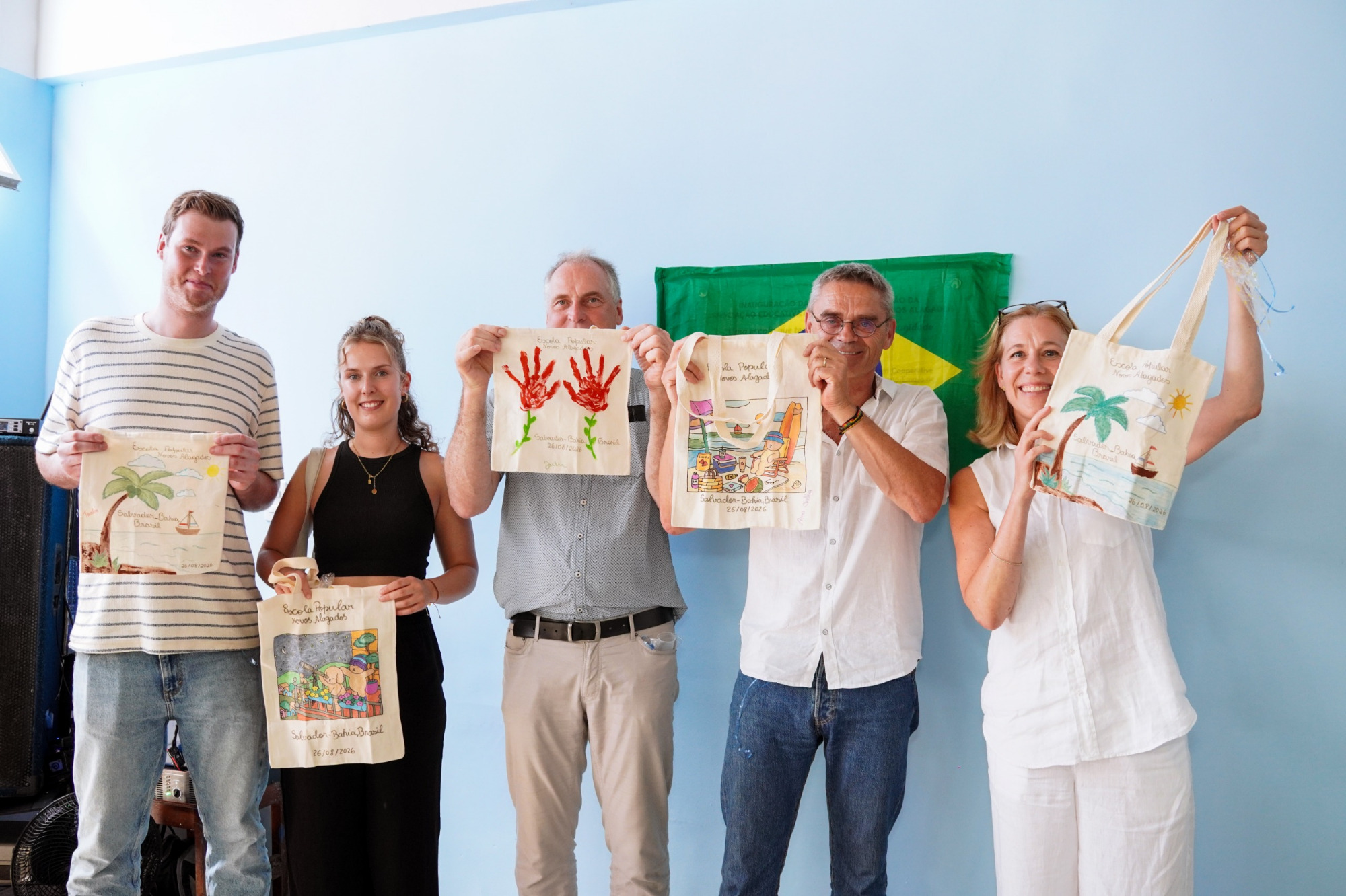
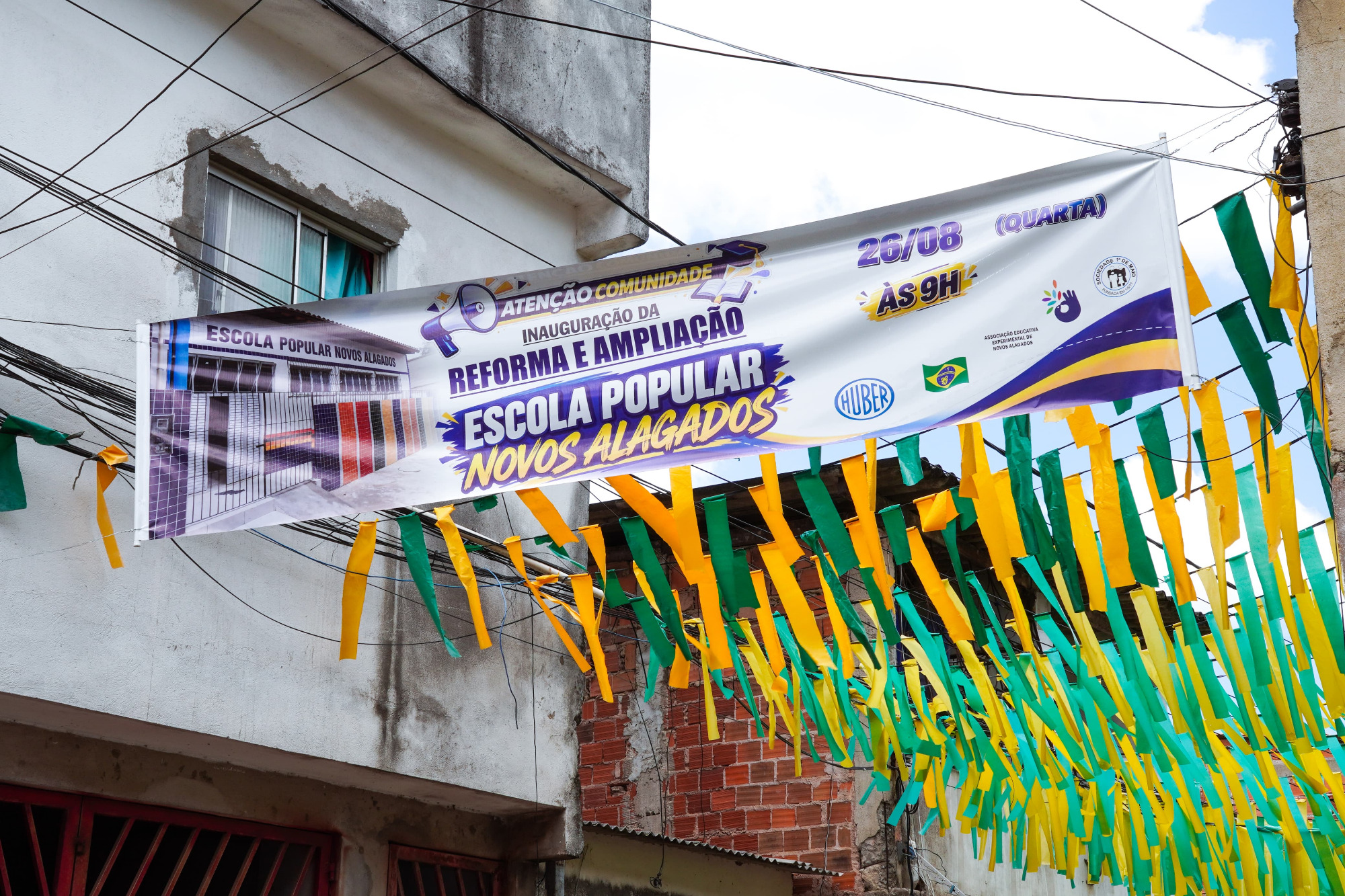
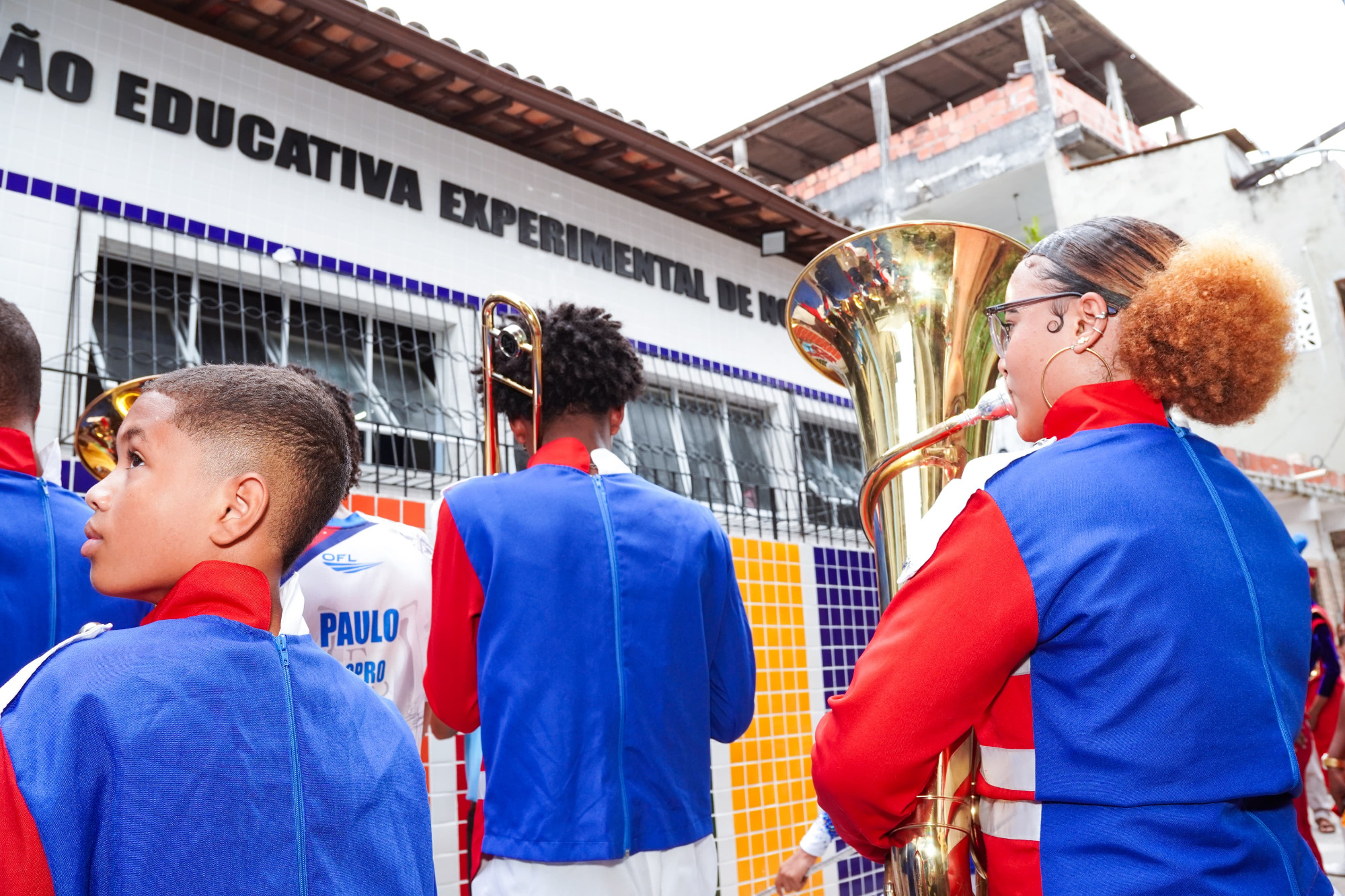
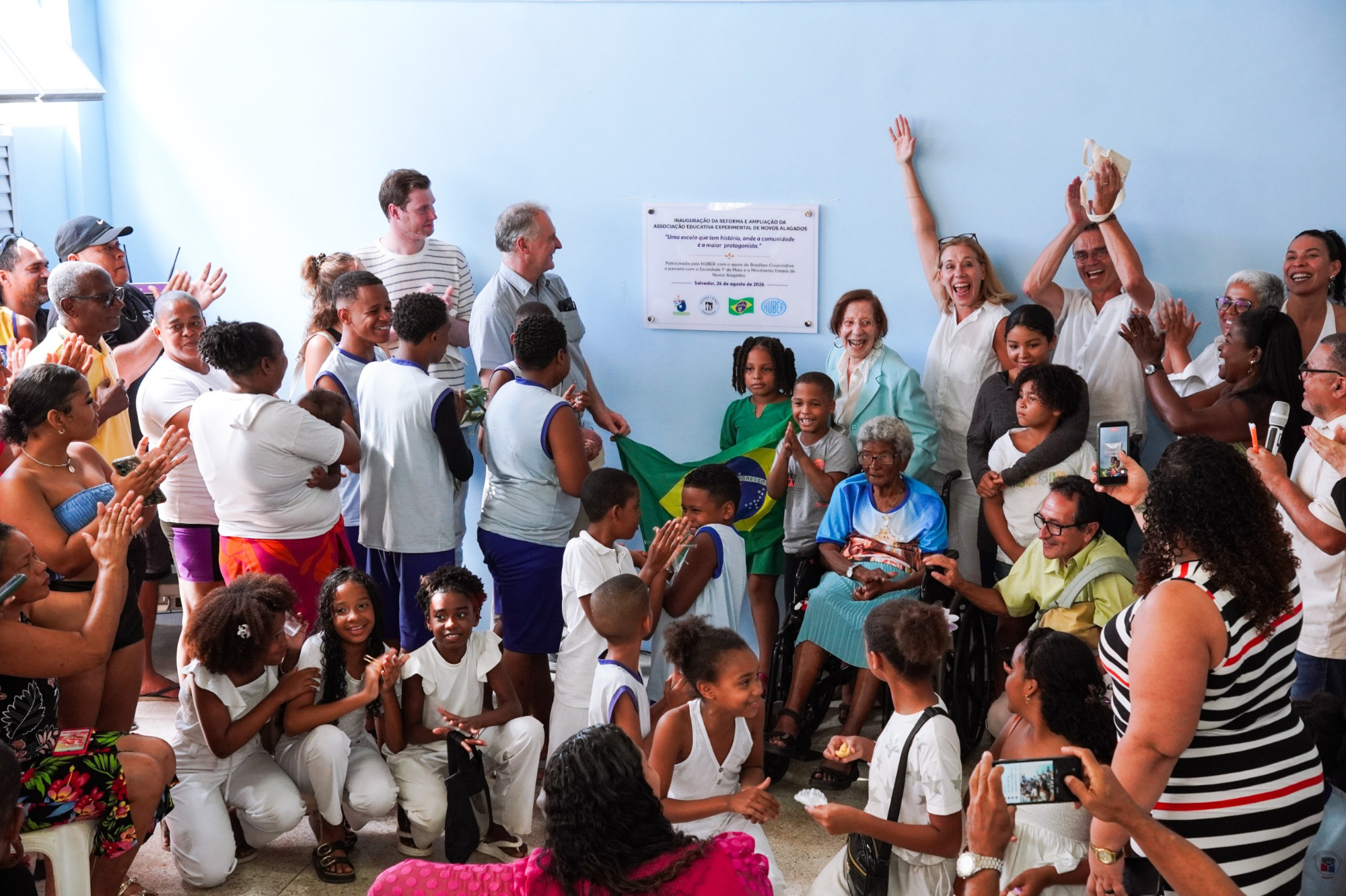
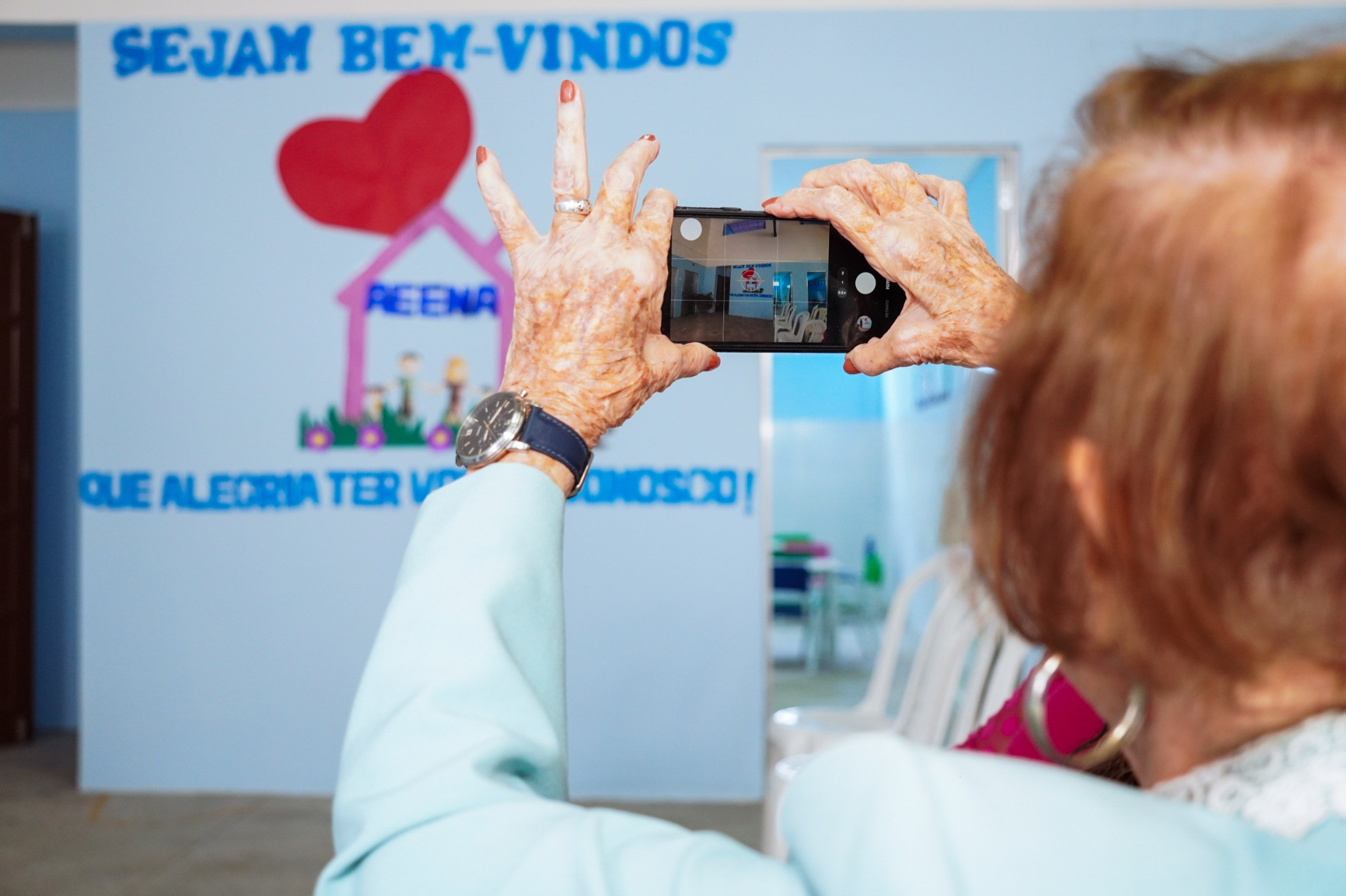
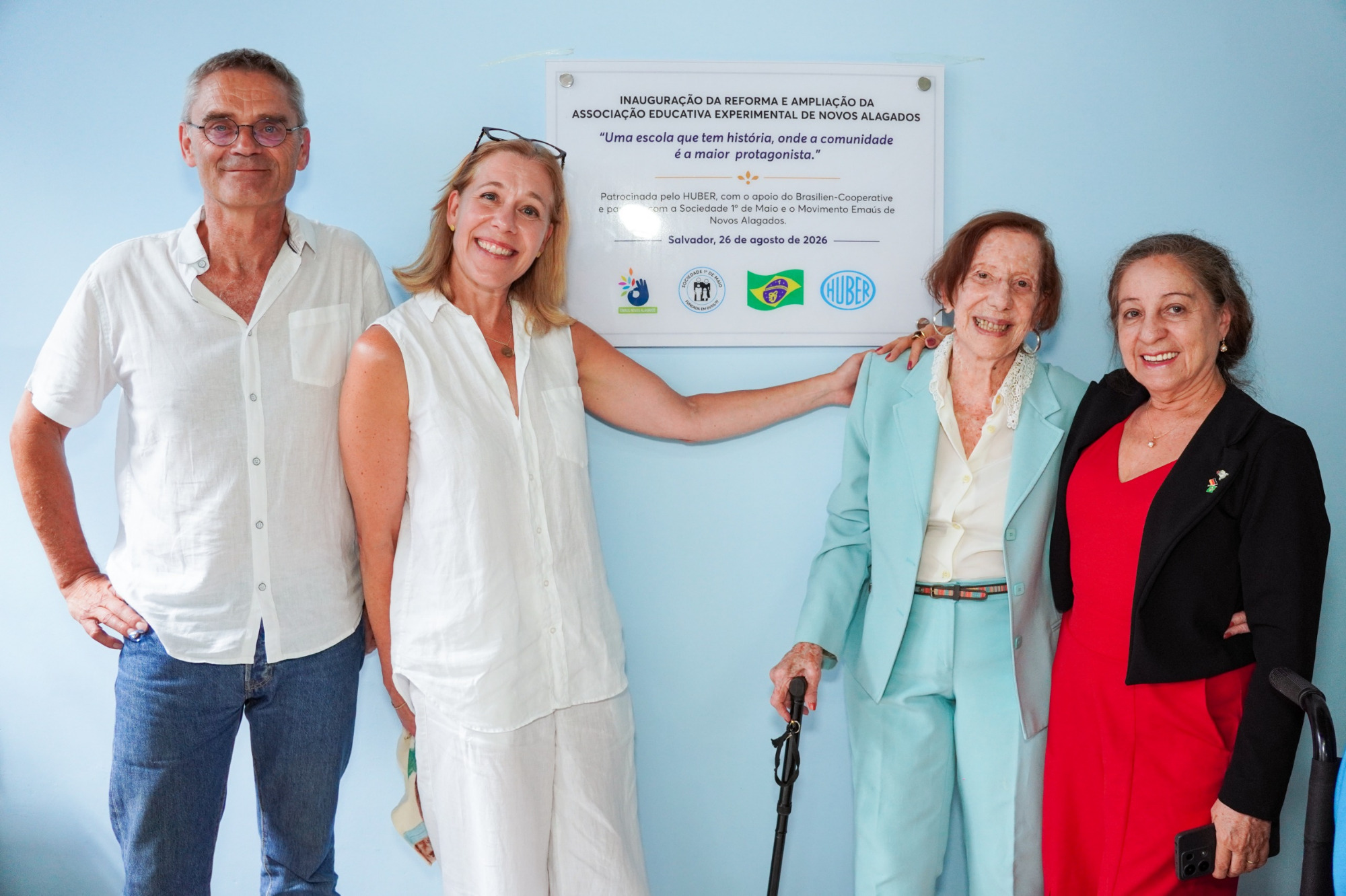
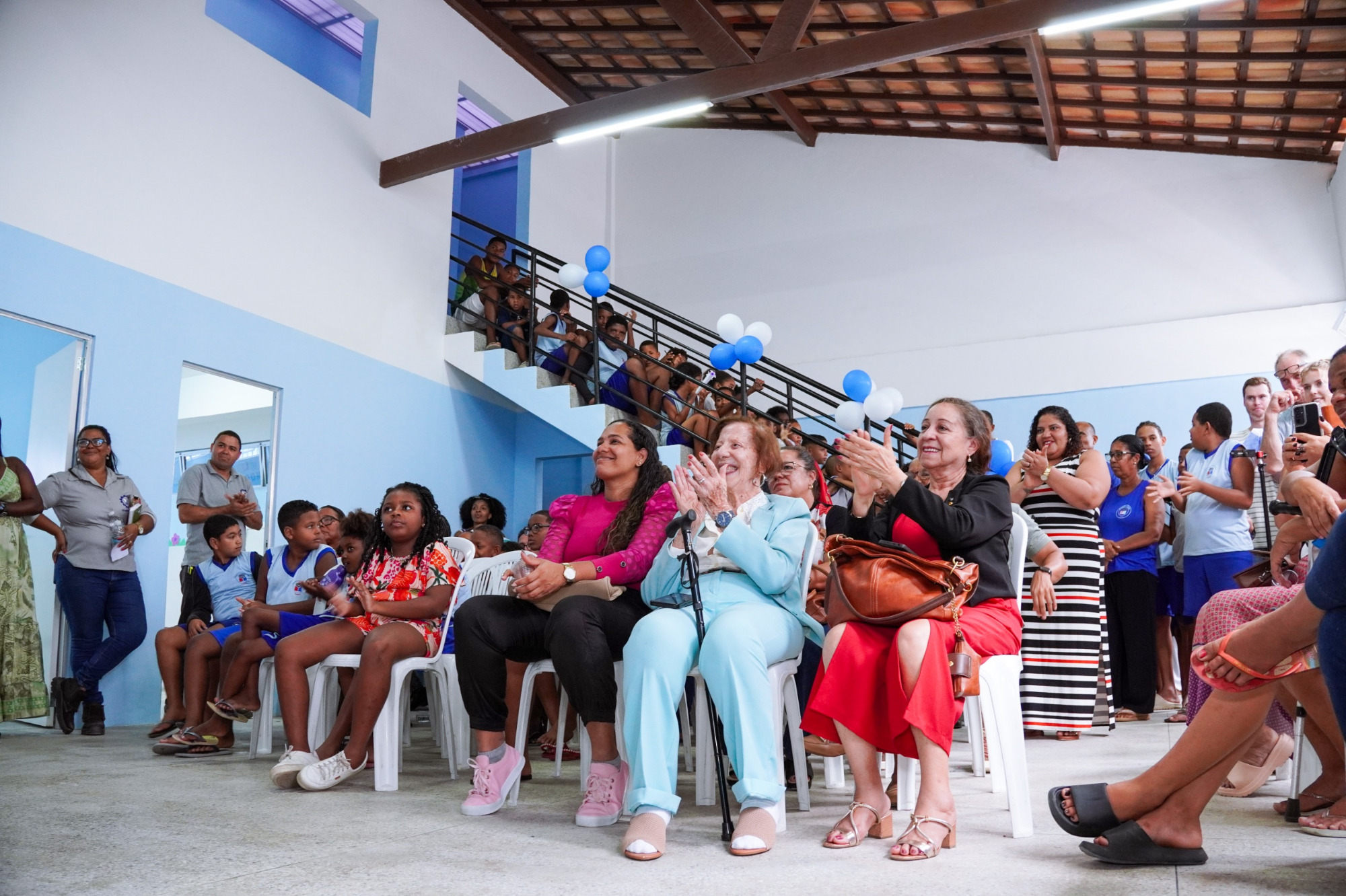
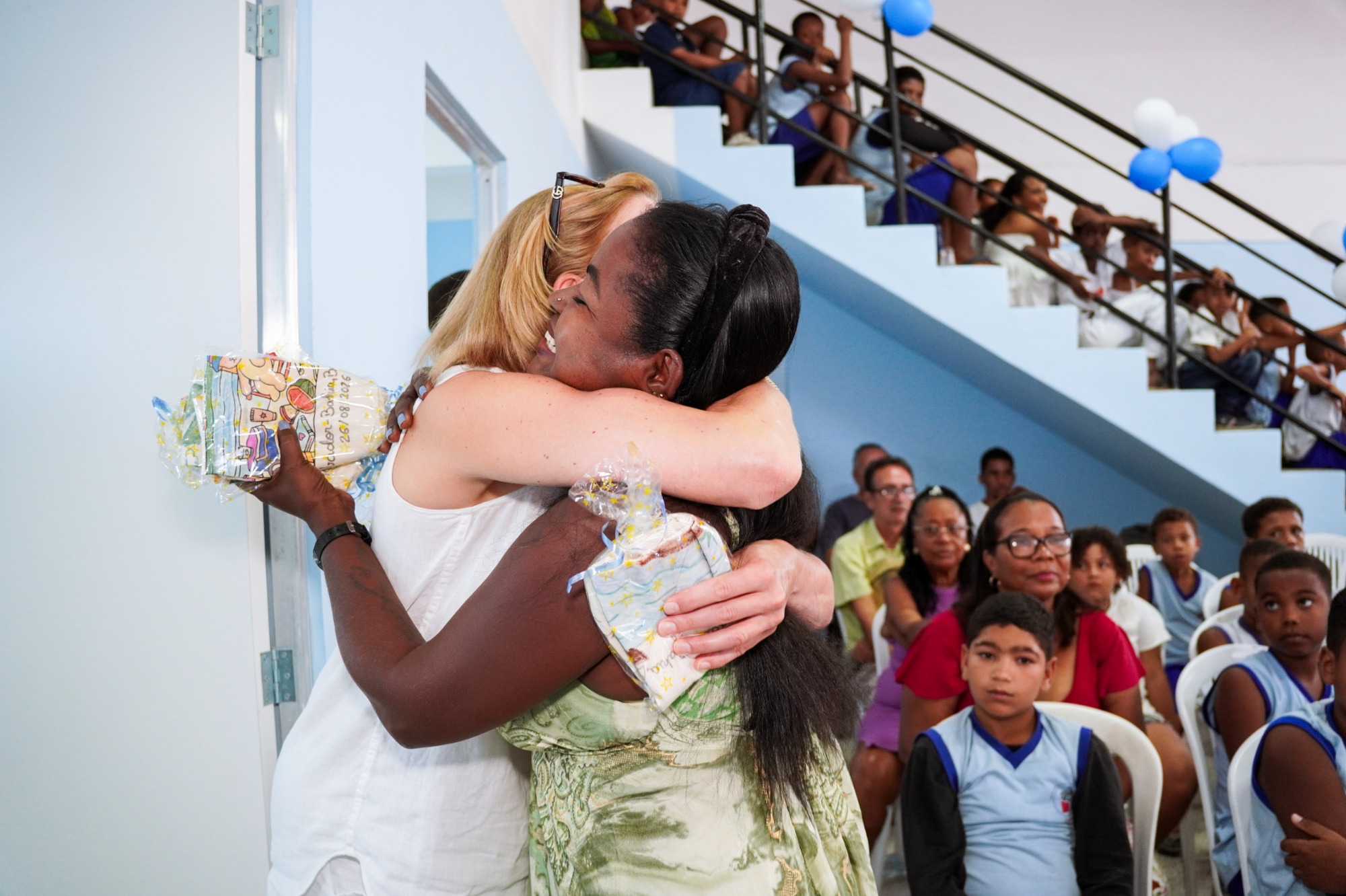
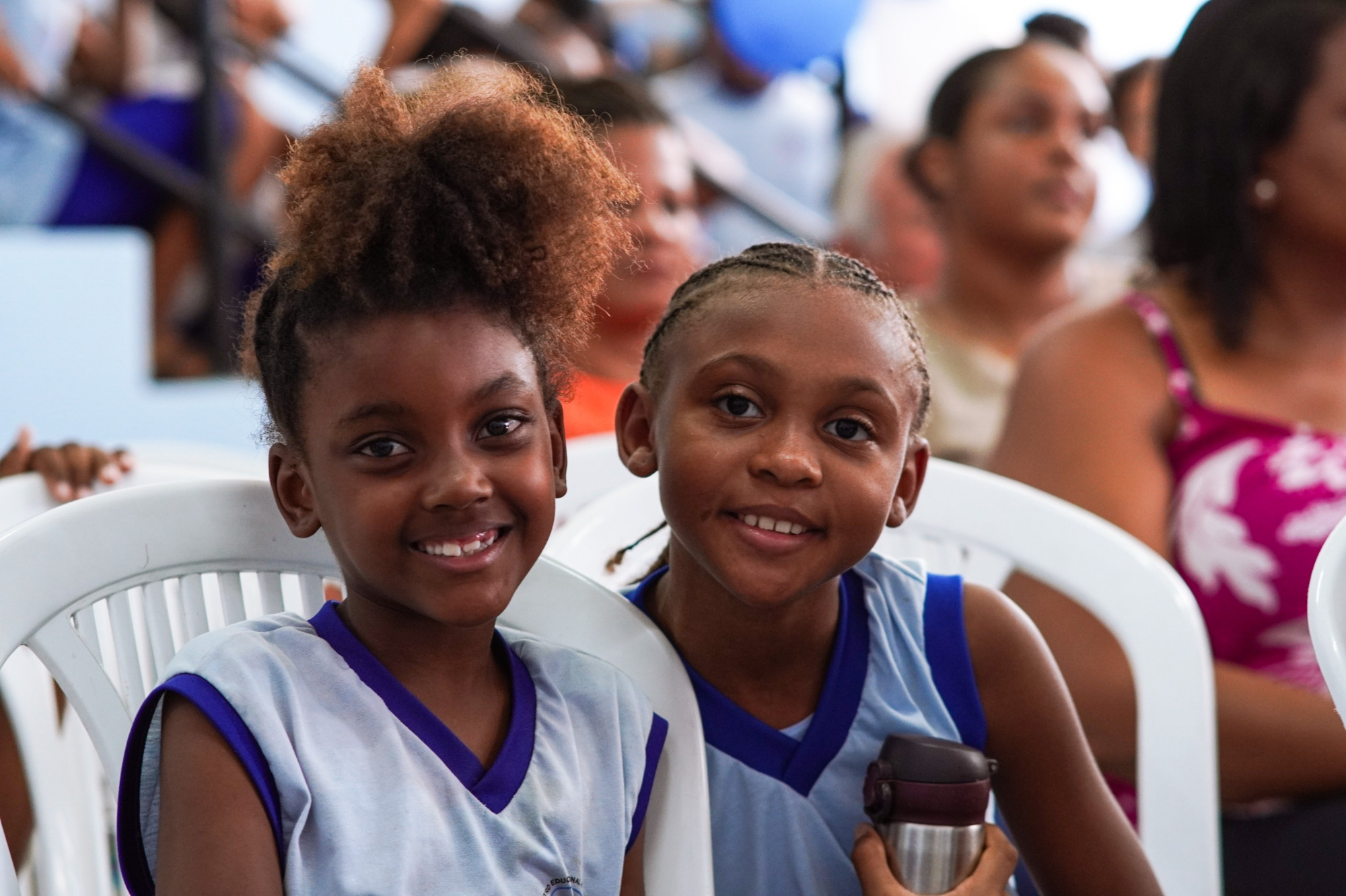
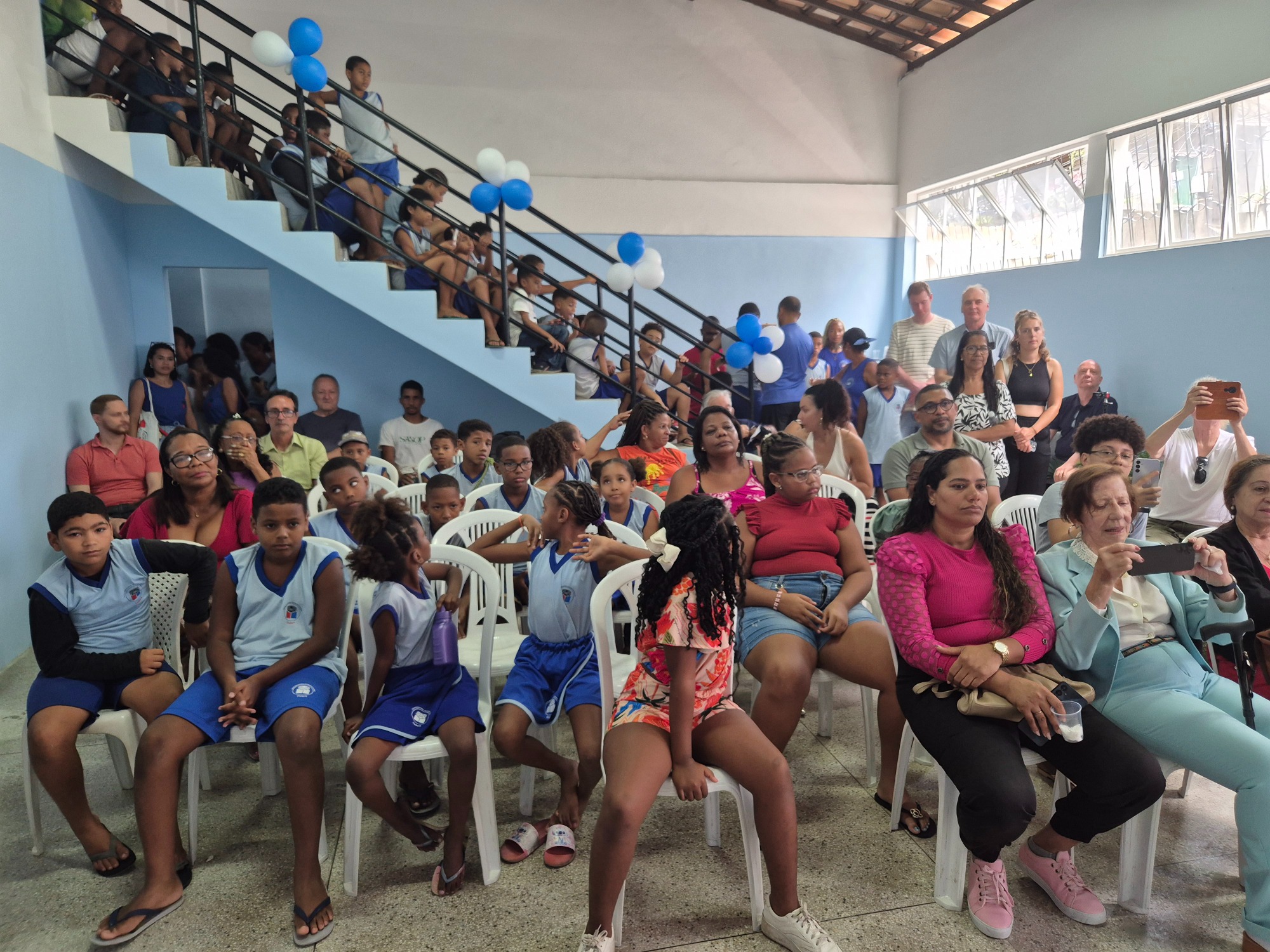
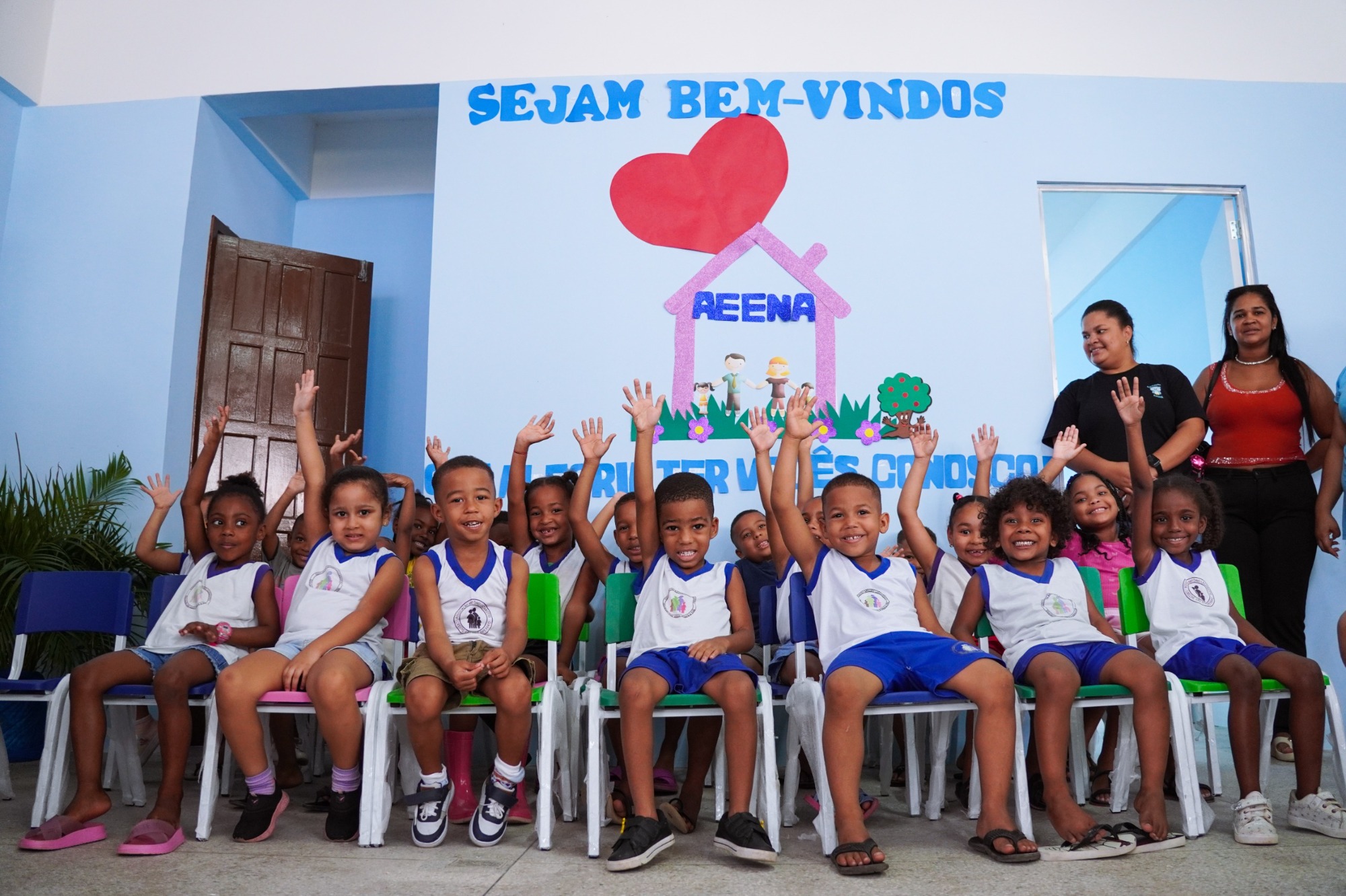
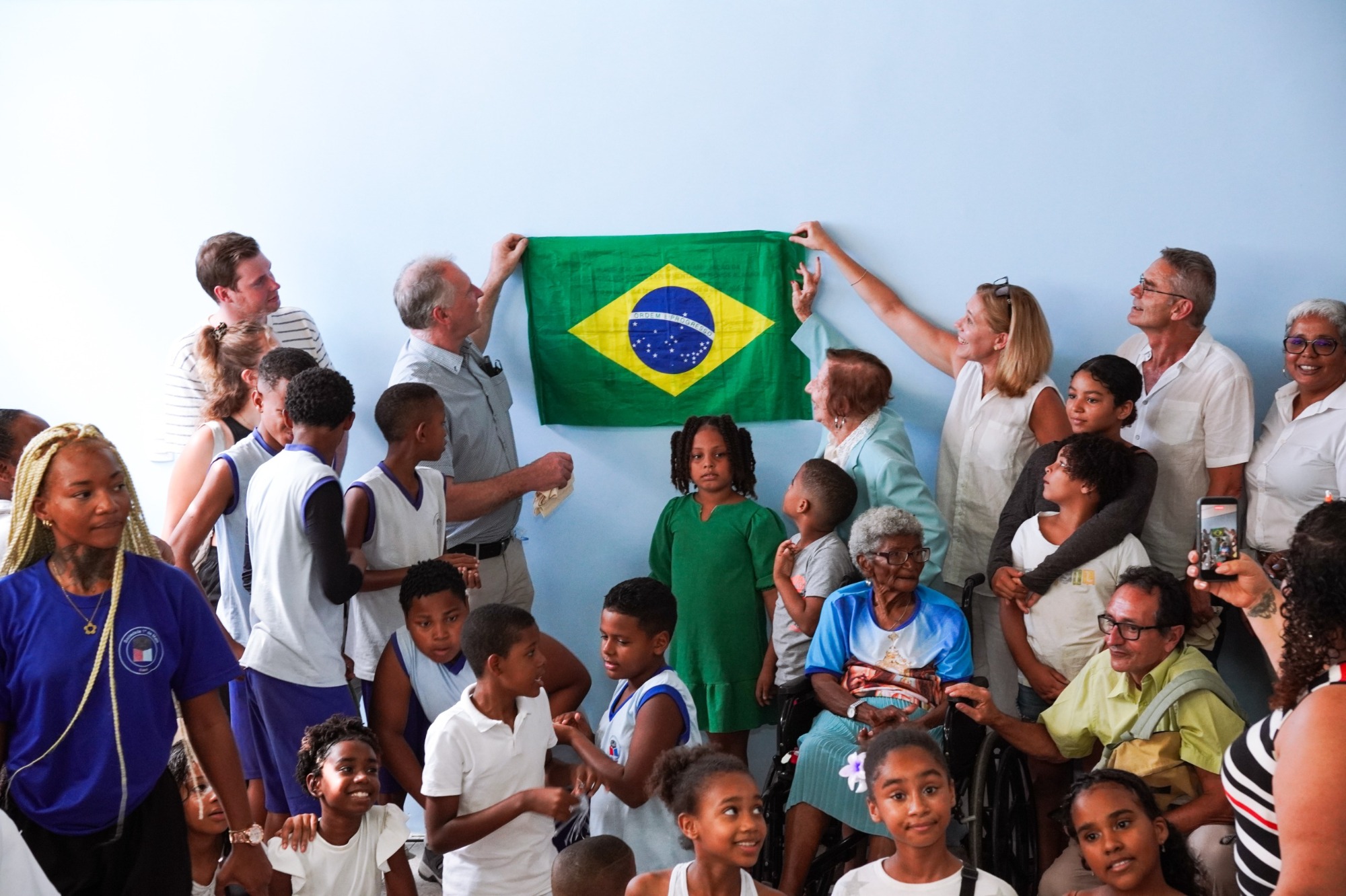
Am 26. August wurde die Escola Popular feierlich wiedereröffnet
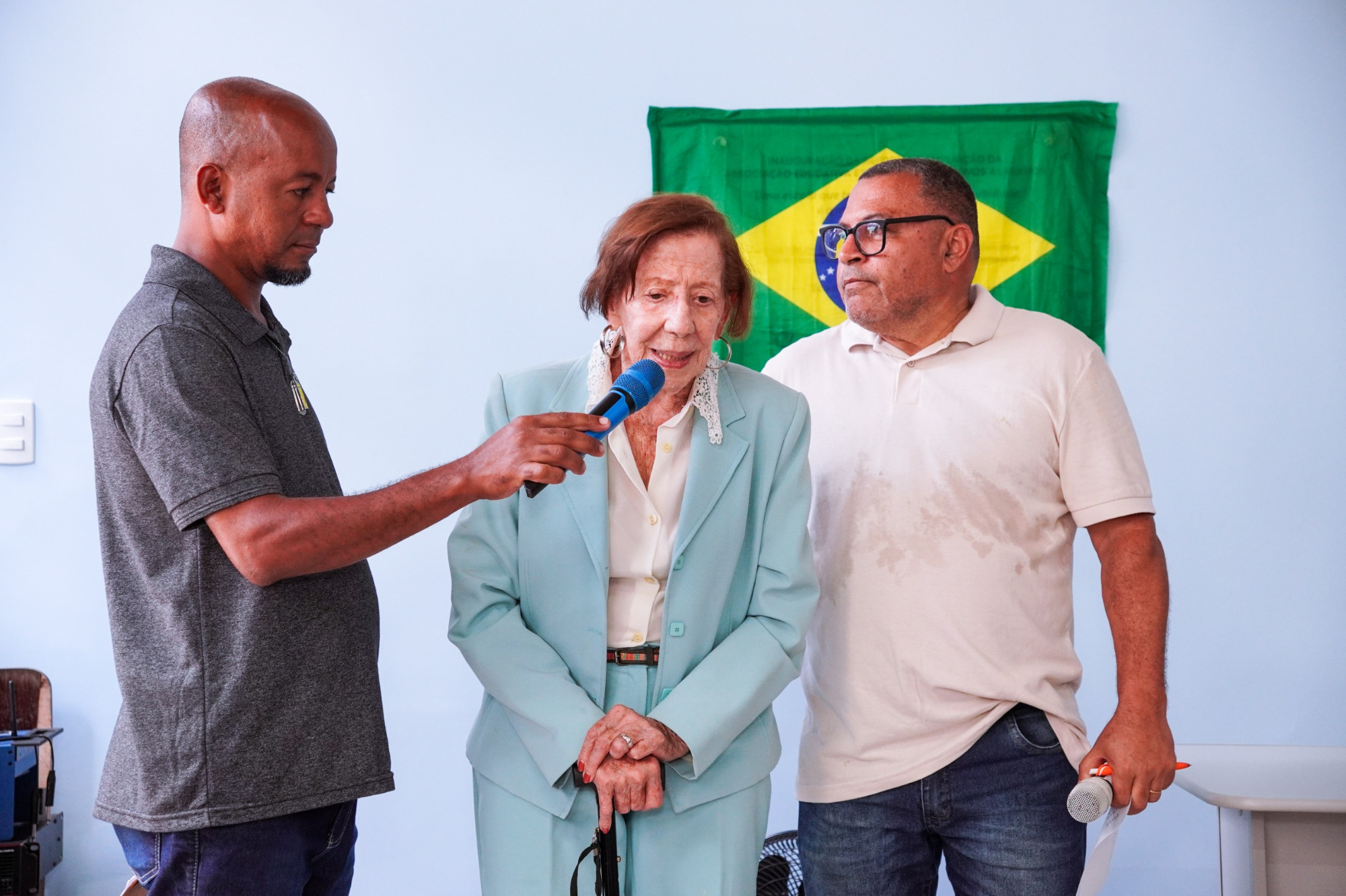
Dieser Tag war ein wichtiger und bedeutender Moment für sehr viele Menschen. Viele bewegende Beiträge von Gästen wie bspw. ehemaligen Schülerinnen, die mit Tränen der Freude an der Wiederöffnung ihrer alten Schule teilgenommen haben. Tränen aber auch, weil sie gerührt waren über das Wiedersehen mit Vera Lazarotto, der heute 91 Jahre alten Gründerin dieser Schule. Sie hat bedeutende Grundsteine für die Bildung in der Comunidade Novos Alagados gelegt. Aus vielen ihrer damaligen Schülerinnen sind heute Erzieherinnen und Lehrerinnen geworden. Einige von ihnen arbeiten seit Jahren im Cluberê und in der Kindertagesstätte, und demnächst sind es weitere, die in der Escola Popular arbeiten werden.
Wahrscheinlich war Vera als älteste Teilnehmerin an diesem Tag auch die glücklichste.
This day marked a significant and momentous occasion for so many people. There were many heartfelt contributions from guests and former students—tears shed out of both joy and emotion. They were moved not only by the reopening of their old school but also by the reunion with Vera Lazarotto, the school’s founder, now 91 years old. She laid vital foundations for education within the Comunidade Novos Alagados. Many of her former students have since become educators and teachers; some have been working at Cluberê and the daycare center for years, and others will soon be joining the staff at the Escola Popular. The oldest participant that day was likely also the happiest.
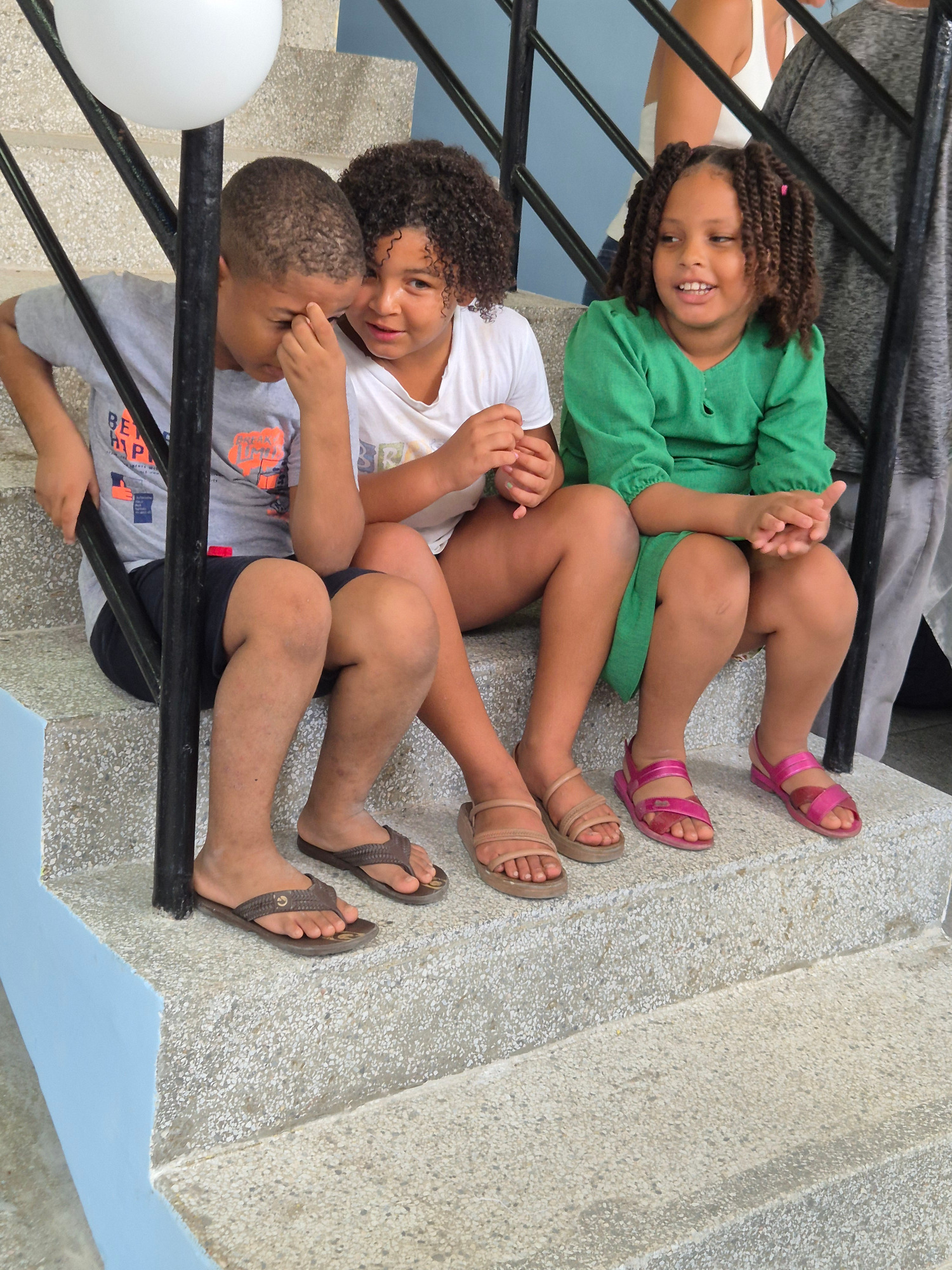
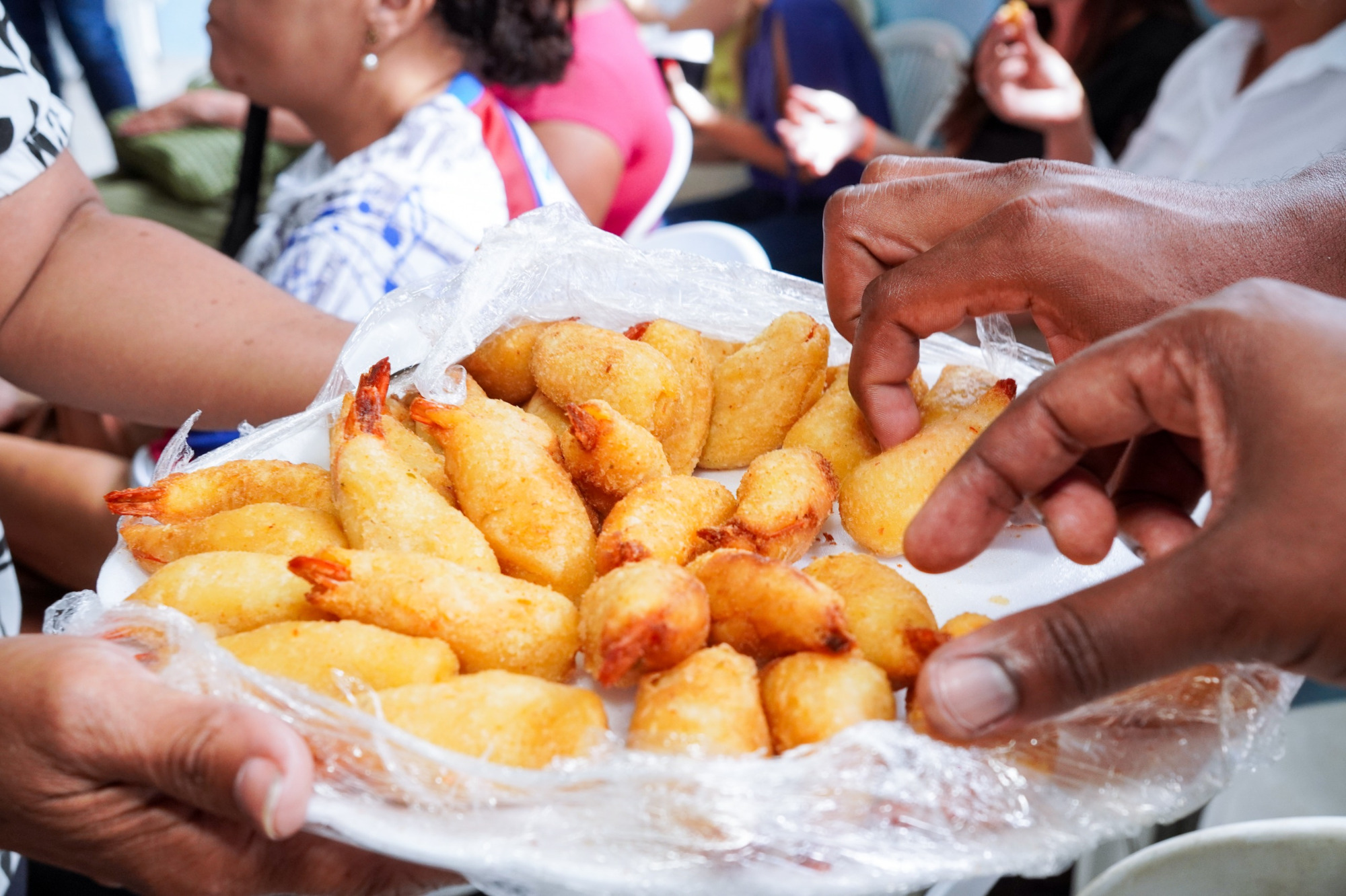
Bildergalerie vom Tag der Einweihung:
Zur Geschichte der Escola Popular
About history of Escola Popular

Die Escola Popular war 30 Jahre lang eine der wichtigsten Schulen in Novos Alagados, in einer Favela mit mehr als 20.000 Bewohnern. Sie war eine sogenannte Escola Comunitária, eine staatlich anerkannte Schule. Sie erhält keine öffentlichen Mittel für den Schulbetrieb, dafür hat die comunidade das Recht die Schule (in Abstimmung mit den Behörden) zu verwalten . Finanziert wird eine solche Schule durch sogenannte convênios (Vereinbarungen) mit Firmen und anderen privaten oder staatlichen Organisationen. Bis 2010 hat die Stadt Salvador die Escola Popular im Wesentlichen finanziert. Durch einen Korruptionsskandal, in den auch die Präfektur verwickelt war, wurden die Zahlungen von heute auf morgen eingestellt.
For 30 years, Escola Popular was one of the most important schools in Novos Alagados, a favela with more than 20,000 residents. It was a so-called "Escola Comunitária", a state-recognized school. While it receives no public funding for day-to-day operations, the community has the right to manage the school (in coordination with the authorities). Such schools are financed through agreements (convênios) with companies and other private or public organizations. Until 2010, the city of Salvador provided the bulk of the Escola Popular's funding; however, following a corruption scandal that also implicated the municipal administration, payments were abruptly halted.
Das Recht auf Bildung ist in der Allgemeinen Erklärung der Menschenrechte der Vereinten Nationen festgeschrieben und eine der wichtigsten Voraussetzungen für die persönliche und auch gesellschaftliche Entwicklung eines Landes. Zwar gibt es eine gesetzliche Schulpflicht in Brasilien, aber gerade in den Favelas kommt es nicht selten vor, dass sehr arme Familien ihre Kinder nicht in die Schule schicken, sondern stattdessen arbeiten lassen, um das Familieneinkommen aufzubessern.
The right to education is enshrined in the United Nations Universal Declaration of Human Rights and is one of the most important prerequisites for personal as well as societal development in a country. Although there is a compulsory schooling law in Brazil, it is not uncommon, especially in the favelas, for very poor families not to send their children to school, but instead to let them work to supplement the family income.
Die Zukunft der Escola Popular:
Die Schule soll eine Escola Comunitária bleiben, d.h. die Comunidade Novos Alagados wird verantwortlich für die Verwaltung bleiben. Der Träger der Schule ist der neu gegründete Verein "Associação Educativa Experimental de Novos Alagados". Sie wird im Ganztagsbetrieb laufen und bietet Platz für 120 Schülerinnen und Schülern. Wie zuvor werden bei der Auswahl der Kinder auch in Zukunft vor allem arme Familien berücksichtigt. Mittags wird es eine Schulmahlzeit geben - eine weitere Entlastung für viele Familien, die auch heute noch Hunger leiden.
The school is meant to remain a community school, which means the Novos Alagados community will continue to be responsible for its management. The school is run by the newly founded association 'Associação Educativa Experimental de Novos Alagados.' It will operate full-time and has space for 120 students. As before, when selecting children, priority will still mainly be given to poor families. There will be a school meal at lunchtime – another relief for many families who are still struggling with hunger today.
Idelson Almeida, einer der Verantwortlichen in der Comunidade: "Wir entwickeln eine Volksbildung mit Schwerpunkt auf der afro-brasilianischen Kultur. Dabei sensibilisieren wir die Lernenden und ihre Familien für die Bedeutung der afro-brasilianischen Kultur im Gemeinschaftsleben, indem wir Capoeira, Maculelê, Puxada de Rede und Samba de Roda als pädagogische Instrumente in der Schule einsetzen. Wir legen Wert auf einen Prozess, der den Erwerb von Selbstwertgefühl, Autonomie und Identitätsbildung der Schüler betont und stärken sowohl die Schüler als auch ihre Familien, damit sie eine entscheidende Rolle beim Aufbau sozialer Werte und bei der Bildung einer inklusiveren und gerechteren Gesellschaft spielen können".
Idelson Almeida, one of the responsible people in charge at the community: 'We develop a popular education with a focus on Afro-Brazilian culture. In doing so, we raise awareness among learners and their families about the importance of Afro-Brazilian culture in community life, using Capoeira, Maculelê, Puxada de Rede, and Samba de Roda as educational tools in school. We emphasize a process that promotes the development of self-esteem, autonomy, and identity formation in students, and we empower both the students and their families so they can play a crucial role in building social values and creating a more inclusive and fair society.'